
Is Ketamine Therapy Covered by Insurance?
“Is ketamine therapy covered by insurance?” When you’re already carrying the weight of feeling stuck, figuring out how to afford help can feel like one more thing you don’t have the energy for.

“Is ketamine therapy covered by insurance?” When you’re already carrying the weight of feeling stuck, figuring out how to afford help can feel like one more thing you don’t have the energy for.

If you have been asking, “What is ketamine therapy?” you may be picturing a medication infusion and wondering how that becomes mental health treatment. In ketamine-assisted therapy, the medicine is only one part of the process. Ketamine is paired with psychotherapy, preparation, and integration so that symptom relief and the experience itself can be explored in a thoughtful clinical setting.

Ketamine therapy for depression can sound like a big next step, especially when you’ve already spent months or years trying medications, therapy, lifestyle changes, or some combination of all three. But for people who feel like they’ve tried everything and are still struggling, ketamine has opened a new and genuinely promising door.

Ketamine therapy side effects can sound intimidating when you read a clinical list without context. But when ketamine is given as a carefully dosed IV infusion in a monitored setting, most side effects are temporary, manageable, and closely watched by the medical team.

If you have been wondering, “how many ketamine sessions do I need?” you are asking one of the most common and important questions people bring into Ketamine Assisted Therapy. And the honest answer is: it depends on your symptoms, your goals, your history, and how your nervous system responds.

How does ketamine therapy work? If you have been living with depression, trauma symptoms, anxiety, or emotional pain that has not fully responded to traditional therapy or medication, this question matters deeply. Ketamine therapy can feel mysterious from the outside, but at its core, it is a medically supervised treatment that may help the brain become more flexible, more connected, and more receptive to healing.

Obsessive‑compulsive disorder (OCD) can feel like a constant loop of unwanted thoughts and repetitive behaviors, an exhausting cycle that traditional treatments don’t fully break for millions of people. Cognitive‑behavioral therapy (particularly exposure and response prevention) and medications like SSRIs help many, but research suggests that about 40–60% of people with OCD don’t get adequate relief from these options alone. This gap has sparked interest in alternative approaches, including an unexpected contender: psychedelics.
Keep reading to learn more about OCD and Psychedelic Therapy.2q

MDMA therapy has been getting a lot of attention in recent years, especially in conversations around trauma, PTSD, and healing experiences that go beyond traditional talk therapy. If you’ve found yourself curious, hopeful, or even a little skeptical, you’re not alone. At the same time, there’s a lot of confusion. Is MDMA therapy the same thing as ecstasy? Is it legal? Is it something you can do now? And why are so many clinicians and researchers taking it seriously?
This article is meant to answer those questions. While MDMA-assisted therapy is not currently legal or offered in Nevada, understanding what it is and what it isn’t can help you make informed, grounded decisions about your mental health and therapeutic options.
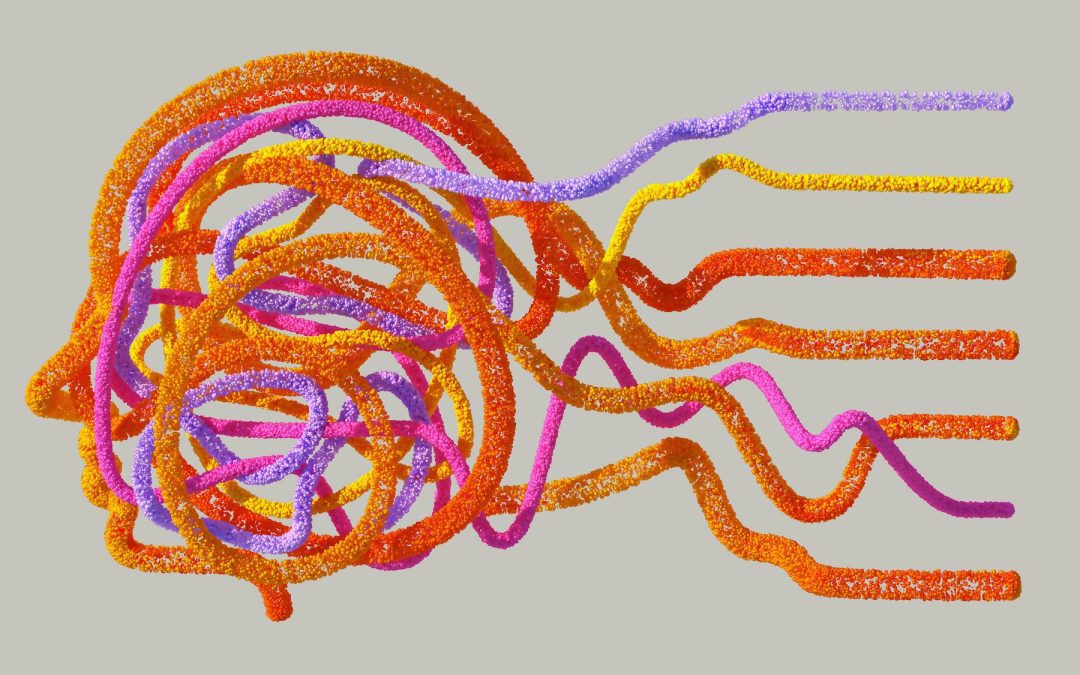
When most people hear “ketamine,” they think of two things: a powerful anesthetic used in hospitals or a party drug. But in recent years, researchers have been uncovering something new. In the right setting, ketamine may actually help people break free from many mental health struggles- including addiction.
That might sound surprising, but the trials are starting to back it up. The world is putting the taboo aside and realizing that drugs like ketamine have the potential to change lives. Let’s look at what the research says, how it seems to work, and what it could mean for people looking for real change.

If you’ve been exploring options to treat your mental health, you may have heard about ketamine infusion therapy. Once known primarily as an anesthetic or, less flatteringly, as a party drug, ketamine is now making waves in the mental health field- and for good reason. The research shows that ketamine can be an incredibly useful tool for those suffering within the confines of their own mind.
So, what exactly is ketamine infusion therapy? How does it work? Is it safe? And could it actually help you where other treatments have failed? Let’s dig into the facts.